
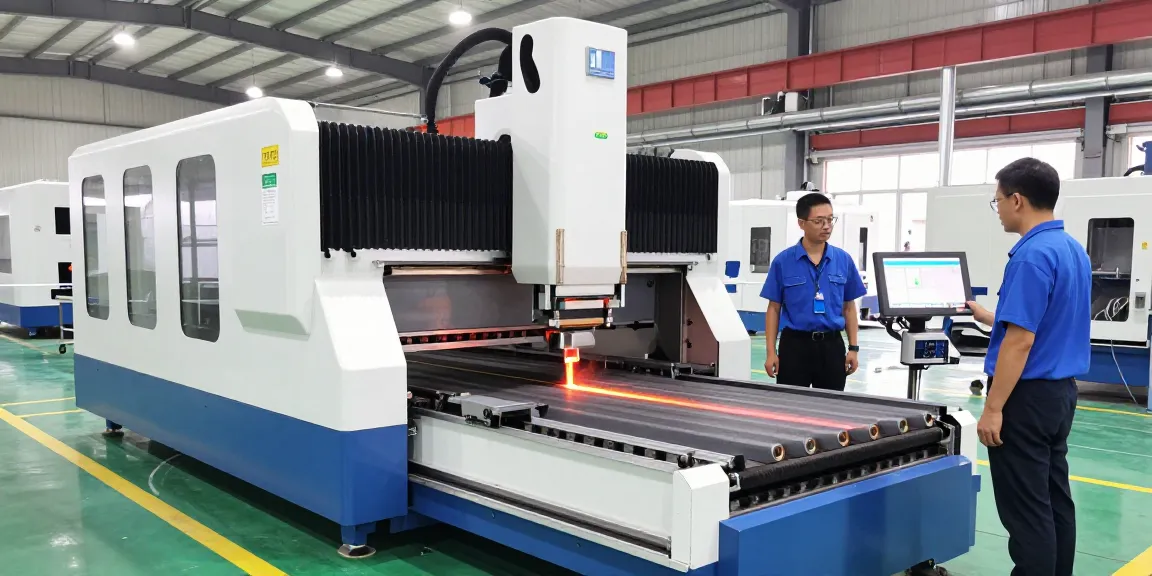
Understanding CNC Press Brake Technology
The CNC press brake is a pivotal machine in modern manufacturing, offering unmatched precision and efficiency in the bending of sheet metal. Integrating advanced computing technology with hydraulic systems, these machines are capable of executing complex bending tasks with high accuracy, significantly enhancing productivity in metalworking operations. When exploring options, cnc press brake systems illustrate the marriage between traditional craftsmanship and modern technology, making them a staple in various industries.
The Basics of CNC Press Brake
CNC stands for Computer Numerical Control. The CNC press brake uses a computerized system to control the movement of the machine’s ram and the back gauge, which positions the sheet metal accurately for the bending process. By automating these functions, operators can achieve intricate bends that would be challenging or impossible to execute manually.
Components of a CNC Press Brake
Key components of a CNC press brake include:
- Control System: Typically, this involves a CNC controller (like the ESA S630) which allows for configurations including 4+1, 6+1, or 8+1 axes.
- Hydraulic System: This provides the necessary force for bending through electro-hydraulic proportional valves that manage the ram’s movement.
- Frame and Structure: The sturdy construction of the frame ensures rigidity and stability during operations.
- Back Gauge System: This is essential for manipulating the sheet metal’s position before bending, with options for automatic or manual operation.
Advantages Over Conventional Machines
Compared to conventional mechanical presses, CNC press brakes offer several advantages:
- Precision: CNC machines provide real-time feedback, allowing for adjustments with accuracies of ± 0.01mm.
- Flexibility: The ability to program various bending sequences makes it adaptable to different job requirements without needing physical adjustments.
- Increased Production Rates: Automation reduces the time taken for setup and adjustments, leading to quicker turnaround times.
Configuration and Customization Options
Standard and Optional Configurations
CNC press brakes, such as the WEK series from SC SHENCHONG, come with various configuration options to suit different manufacturing needs. They typically feature:
- Standard Configuration: The basic model with 4+1 axis control (Y1, Y2, X, R, V).
- Optional Configurations: Additional axes can be added for more elaborate tasks, including options for full automation and robotics integration.
Choosing the Right Features for Your Needs
Selecting the right features for your CNC press brake involves assessing your specific applications. Considerations include:
- Type of Material: Ensure compatibility with the materials you plan to work with, from mild steel to aluminum and titanium.
- Bending Complexity: If dealing with complex shapes, opt for a more advanced control system.
- Production Volume: Higher volume operations may benefit from advanced automation features.
Integration with Robotics and Automation
Robotics can significantly enhance the operational efficiency of a CNC press brake. By integrating robotic systems, manufacturers can automate the feeding and handling of materials, reducing manual labor and increasing throughput. Options like robotic press brake systems allow for seamless operation with various robot brands, making it easier to implement automation into existing workflows.
Applications of CNC Press Brake Machines
Industries Utilizing CNC Press Brakes
CNC press brakes are widely used across various industries, including:
- Aerospace: Precision parts for aircraft components require tight tolerances.
- Automotive: Manufacturing frames, brackets, and other structural elements.
- Construction: Fabricating structural steel components for buildings.
- Electronics: Producing housings and brackets in electronic devices.
Common Use Cases and Projects
Common projects serviced by CNC press brakes include:
- Bending sheets into enclosures for machinery.
- Creating custom parts for prototype development.
- Producing large quantities of standardized components with minimal deviation.
Material Types and Bending Processes
CNC hydraulic press brakes are adept at processing various material types, including:
- Steel: Ideal for durable structural components.
- Aluminum: Lightweight solutions that require precision bends.
- Copper and Titanium: Specialized materials often used in high-performance applications.
Operational Efficiency and Best Practices
Setup Tips for Enhanced Performance
To maximize the performance of a CNC press brake, operators should consider best practices during setup. This includes ensuring accurate calibration of the back gauge and the ram, using the right tooling, and optimizing software settings for the specific project.
Maintaining Accuracy in Bending Operations
Maintaining accuracy requires regular inspection and calibration of axes, ensuring that hydraulic fluid levels are optimal, and performing routine software updates. Implementing preventive maintenance routines can also help in early detection of potential issues.
Data Analytics for Operational Improvements
Integrating data analytics into the operational workflow provides insights into machine performance and productivity trends. Keeping track of processing times, material waste, and rework rates can help identify improvement areas and optimize operations.
Future Trends in CNC Press Brake Technology
Emerging Features and Innovations
The landscape of CNC press brake technology is continuously evolving. Some emerging features include advanced AI-based programming interfaces, predictive maintenance tools, and improved energy efficiency mechanisms through servo-hydraulic systems.
Potential Impact of AI and Machine Learning
AI and machine learning are poised to revolutionize CNC press brake operations by enabling predictive modeling for maintenance scheduling, optimizing bending processes based on historical data, and significantly enhancing programmability and user interfaces.
Sustainability Practices in Manufacturing
With an increasing focus on sustainability, CNC press brake manufacturers are prioritizing energy-efficient designs and sourcing environmentally friendly materials. Techniques such as energy regeneration during hydraulic operations and implementing eco-friendly oil alternatives are gaining traction.
FAQs
What factors affect the price of a CNC press brake?
The pricing of CNC press brakes is influenced by several factors, including the configuration and number of axes, the complexity of controls, optional features, and brand reputation.
How often should CNC press brakes be maintained?
Regular maintenance should occur every 1000 operational hours, with more frequent checks on hydraulic components and alignment systems.
Can a CNC press brake operate multiple materials?
Yes, CNC press brakes can be programmed to handle a wide range of materials effectively, assuming they comply with the machine’s specifications and capabilities.